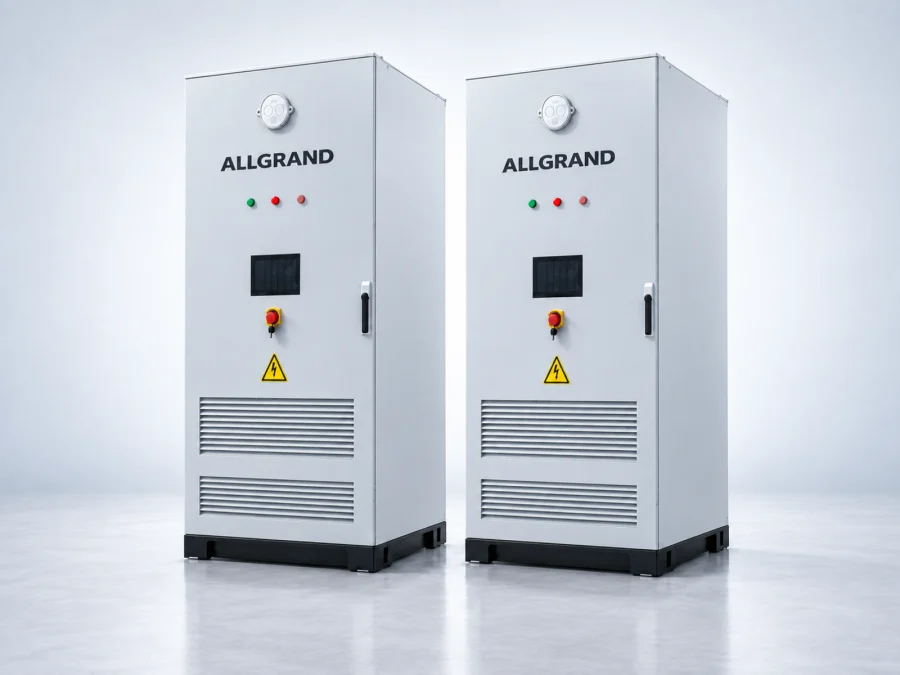
Battery Storage Temperature Derating: A Sizing Variable
Temperature derating reduces available power and energy, so it belongs in sizing. Model the site ambient profile and the system’s thermal limits.

AllGrand
Temperature derating reduces available power and energy, so it belongs in sizing. Model the site ambient profile and the system’s thermal limits.
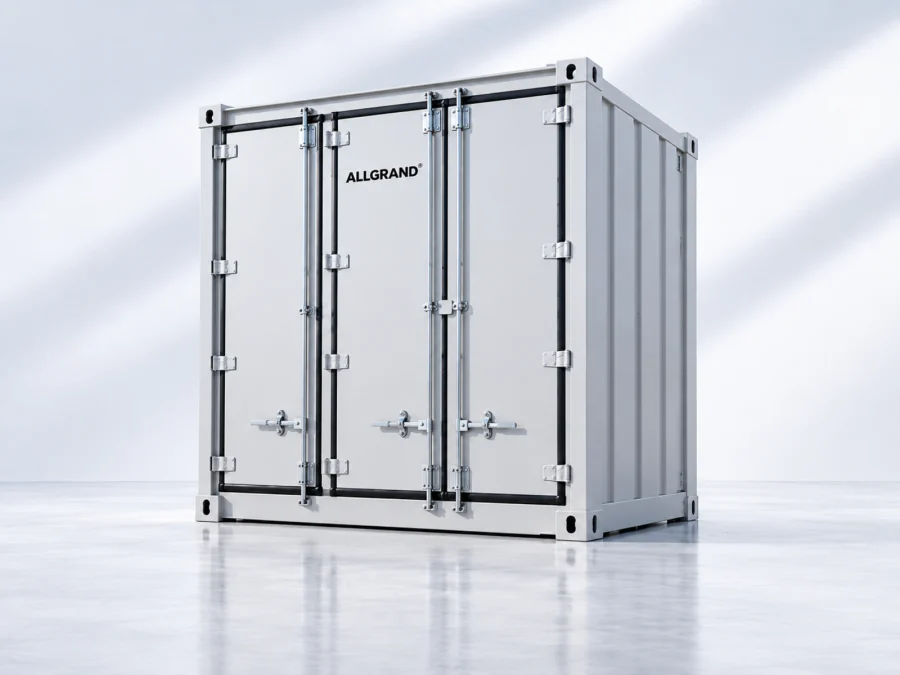
Grid interconnection sets voltage, fault level, protection and metering before siting a battery. Verify these with the utility early and record them.
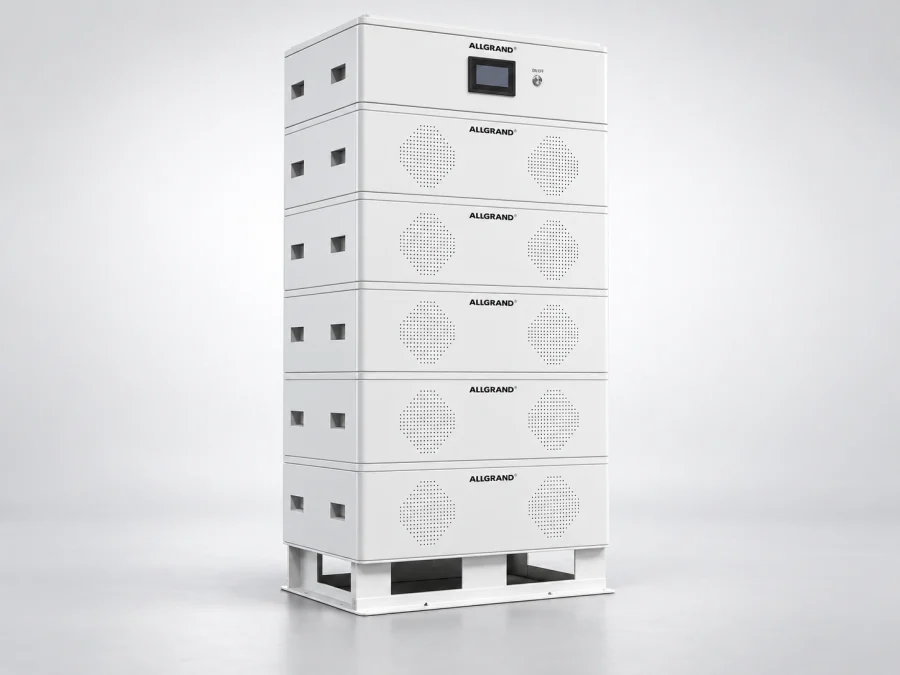
State-of-charge estimates drift without a known reference point. Recalibrate after capacity tests, idle periods or drift alarms, using the OEM procedure.

BESS C-rate links power to stored energy. Choose the continuous rate from the load profile, not the peak, to avoid buying energy you never use.
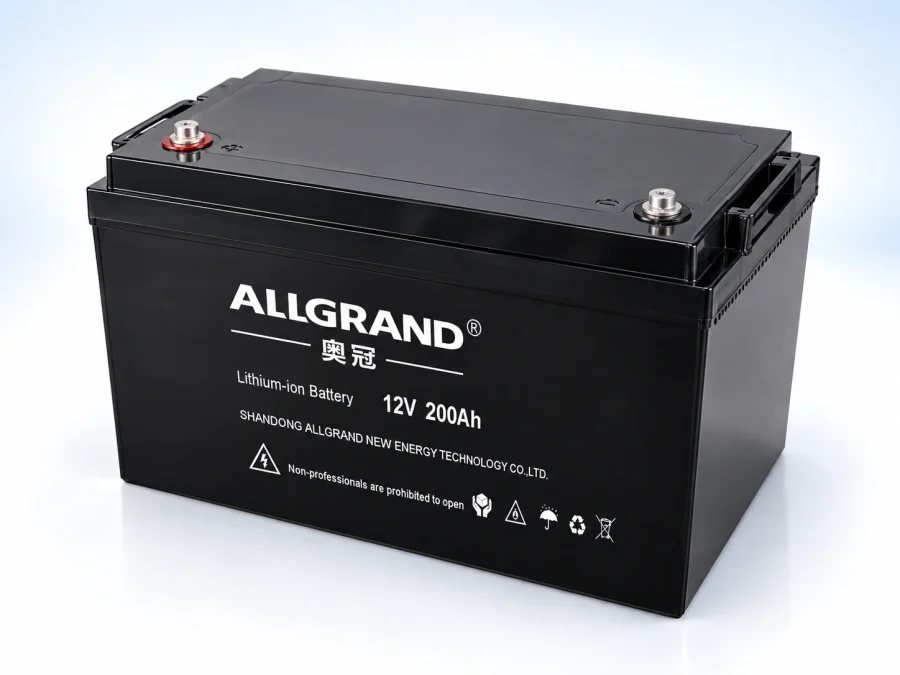
Lead-acid and LFP batteries suit different backup duties. Compare cycling, temperature, footprint, monitoring and lifecycle cost with this decision matrix.
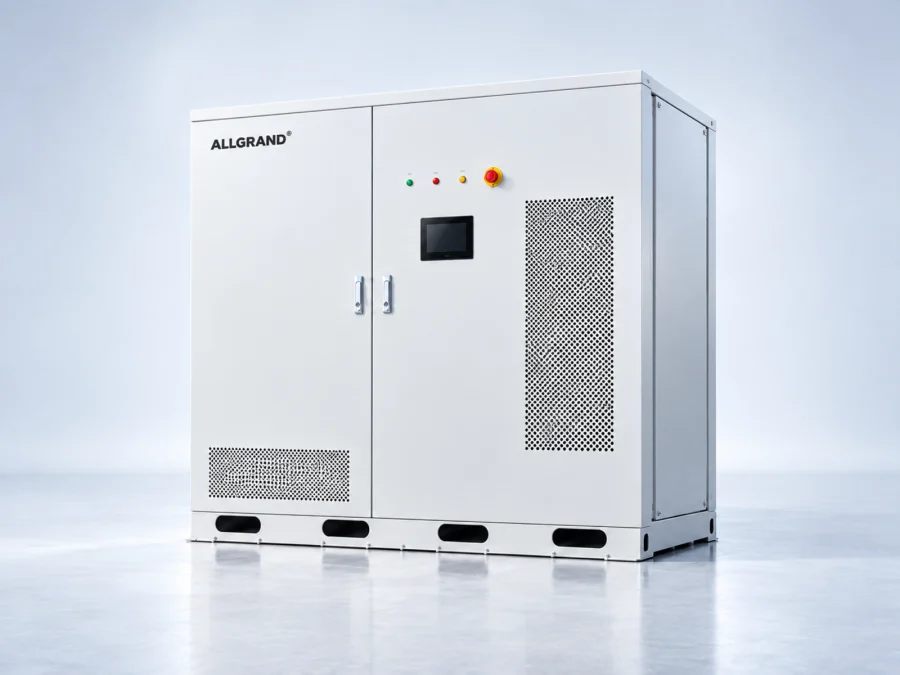
A liquid-cooled BESS coolant leak appears first as rising temperatures, low-pressure or low-level alarms and wetting. Confirm, isolate and call the OEM.
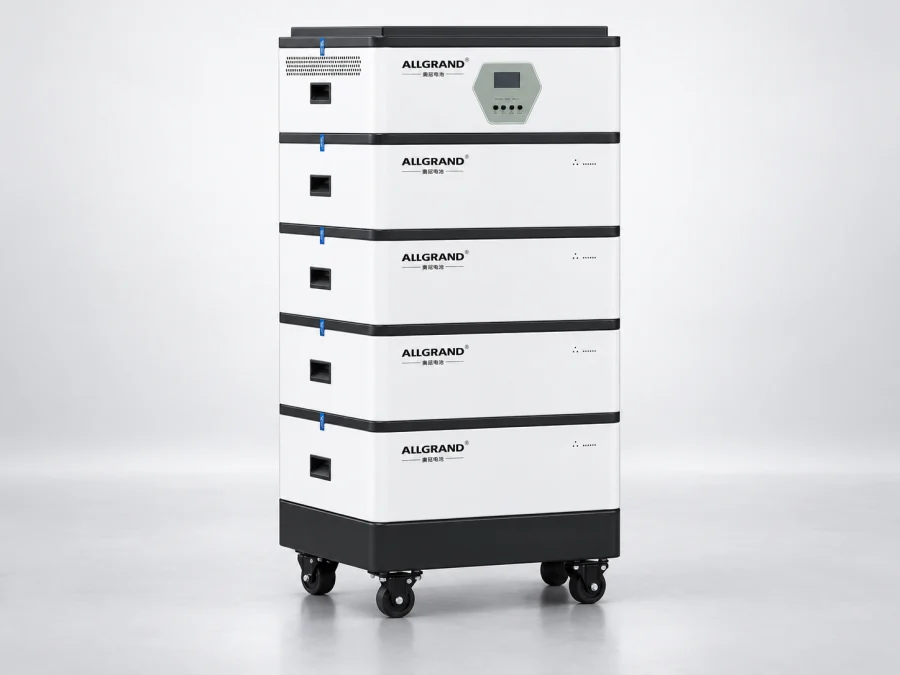
kW is the power a battery storage system can deliver at a moment; kWh is the energy it holds over time. Duration links the two when sizing a project.
A battery storage RFQ should define the operating profile, interfaces and acceptance tests before price. Here is a checklist for a comparable request.
A battery energy storage capacity test is useful only when repeatable. Plan the conditions, set a baseline, correct for temperature and read the trend.
A BESS runtime calculation must convert nameplate kWh into usable AC energy first. Here is the depth-of-discharge, efficiency, temperature and aging chain.