
Direct answer: Battery storage grid interconnection is the set of utility requirements a project must meet before the storage can be energized: service voltage, fault-level limits, protection settings, metering and the point of connection. Verify these with the utility at the start of procurement, because they affect the power conversion equipment, the site layout and the schedule. The checklist below organizes the questions to document.
A battery system can deliver and absorb power, so the utility treats it differently from a simple load. The interconnection review confirms that the project will not exceed the fault rating of the existing equipment, that it will disconnect safely during abnormal conditions, and that it can be metered and controlled in the way the site operator and utility agree.
Interconnection is often decided before the final battery size is confirmed. Starting the discussion early avoids buying equipment that cannot be approved at the proposed location.
Confirm voltage, phase and service limits first
The service voltage and phase configuration determine the power conversion system and the transformer. Confirm whether the site is single-phase or three-phase, the nominal voltage, the acceptable voltage window, and the maximum import and export the utility will allow. These limits set a hard boundary on the storage rating regardless of what the load model suggests.
Ask for the written service details rather than relying on a nameplate. A site that can import a large load may still have an export limit that is much smaller, and that difference changes the project economics.
Confirm whether the utility treats the site as a net generator and whether a demand charge or an export tariff applies, because both influence how the storage is dispatched and how the interconnection application is structured.
Check fault level and short-circuit duty
The utility can state the available fault current at the point of connection. The switchgear, cables and protection devices must be rated above that value. Adding storage can raise the fault contribution if the system is capable of feeding into a fault, so the review must consider the worst case with storage online.
Ask the utility to state the value at the point of connection, not a generic number for the substation, because the distance and the intervening conductors change the available fault current.
Where the available fault current is close to the equipment rating, the project may need current-limiting measures or higher-rated gear. This is an engineering calculation that belongs in the interconnection application, not an assumption to resolve on site.
Define protection and anti-islanding behavior
The utility specifies overcurrent, overvoltage, undervoltage, frequency and anti-islanding settings. The storage controller and protective relays must be coordinated with the utility’s protection so the system trips at the agreed thresholds and does not energize a de-energized line during an outage.
Document the trip times and settings in writing. A mismatch between the inverter’s internal protection and the site relays is a common cause of failed commissioning and delayed energization.
Clarify metering, telemetry and control points
Confirm where the revenue and check meters sit, who owns them, and what data the utility requires. Some agreements require telemetry of the storage state, while others only meter the point of connection. The control interface should also be defined so the utility or site operator can command the system when required.
If the utility requires revenue-grade metering, the instrument transformers and meter accuracy class must match its standard, and this can affect the enclosure and the cable routing.
These requirements affect the communications hardware and the meter enclosure, so they should be listed before procurement rather than discovered during installation.
Site space and utility access
The interconnection point also drives the layout. The transformer pad, switchgear, meter and the storage container or cabinets all need access for the utility and for maintenance. Check the clearance requirements, the cable route and whether the utility requires its own disconnect within sight of the meter.
| Item | What to record | Who provides it |
|---|---|---|
| Service | Voltage, phase, import and export limits | Utility |
| Fault level | Available fault current at connection point | Utility or engineer |
| Protection | Relay settings and trip times | Utility and engineer |
| Metering | Meter location, ownership, data required | Utility |
| Site | Clearances, access and disconnect location | Engineer and utility |
Treat these five items as the minimum documentation set. When any one is missing, the project carries a risk that the energization date slips or that equipment must be changed after purchase.
Sequence the review before ordering equipment
Begin with the utility application and the site survey, then select the power conversion system and transformer to match the confirmed service, and finally order the storage and switchgear. Reversing that order is the most frequent cause of rework. A preliminary interconnection application is often enough to reveal the binding constraints without waiting for the full approval.
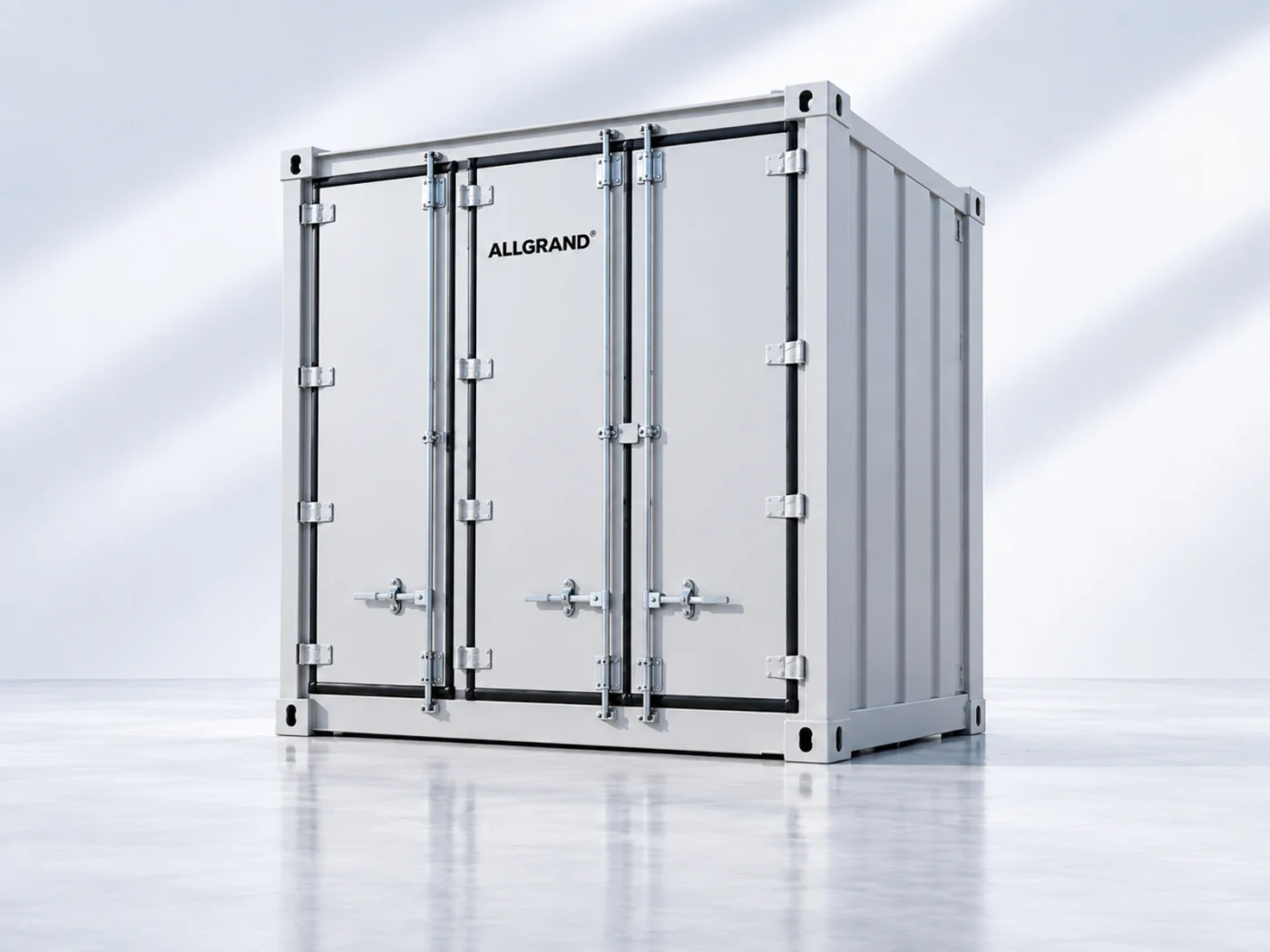
For a system platform to plan against, review the 1044 kWh containerized energy storage system. The final electrical design and any utility approval must be confirmed by an engineer for the actual site.
Common approval delays to avoid
Most delays come from missing information rather than technical rejection. An incomplete single-line diagram, an unconfirmed export limit, or a protection setting that is not written down can each stall the review. Prepare the utility’s application form, the proposed equipment ratings, the fault-current calculation and the site plan before the first meeting.
Changes after submission are expensive. If the storage rating or the point of connection moves after the application, the utility may restart the review, so freeze the electrical design as early as the evidence allows.
Frequently asked questions
When should the interconnection discussion start?
At the beginning of procurement, before the final battery size and equipment are fixed. The voltage, export limit and fault level can change the power conversion system, the layout and the project schedule.
Does storage increase the site fault current?
It can, if the system is capable of feeding into a fault. The interconnection review must consider the worst case with storage online so switchgear and protection are rated for the available fault current.
Who sets the protection settings?
The utility specifies the required thresholds and behavior, and the project engineer coordinates the storage controller and site relays with them. The settings and trip times should be documented in writing before commissioning.
Is a preliminary application enough to start design?
It often reveals the binding constraints, such as the export limit or a fault-level issue, but it is not a substitute for the final approval. Use it to de-risk the design while the full application proceeds.
What to send for a technical review
Share the site location, service voltage, phase configuration, available fault current, proposed storage rating and utility requirements with the AllGrand engineering team. The team can review the product interface against the interconnection conditions.
Read more energy storage planning guides from AllGrand. AllGrand Group has manufactured batteries since 1987 and supplies energy storage systems, lead-acid batteries and cells to customers in more than 100 countries. Electrical design and utility approval must be confirmed for the actual project.
Sources and further reading
- U.S. Department of Energy — Storage Basics
- NREL — Storage Futures Study
- IEC — Energy Storage Standards
These sources were used to verify general grid-integration concepts. The checklist and sequencing guidance are original AllGrand editorial work.