
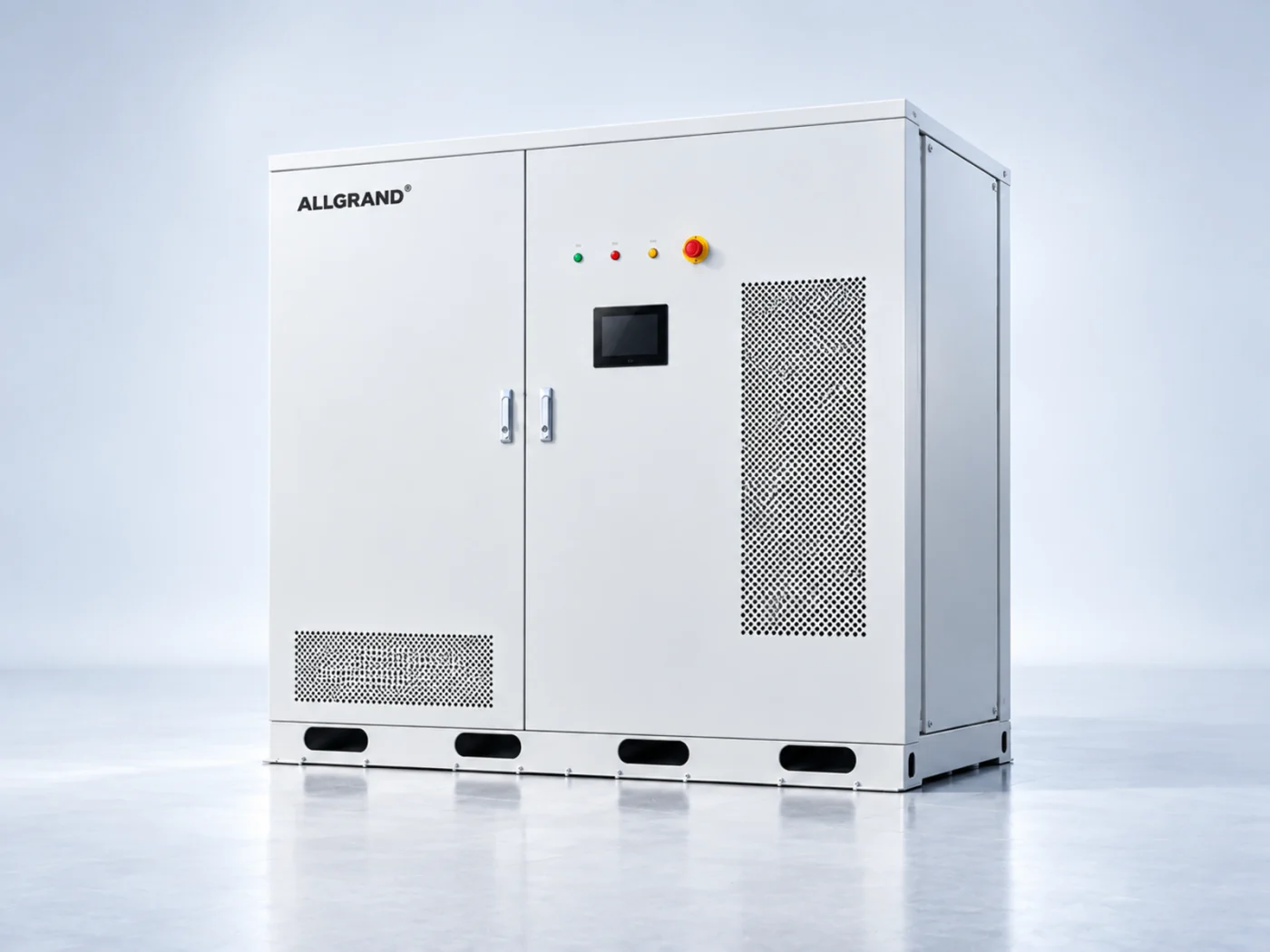
Direct answer: A high temperature BESS alarm is a symptom, not a diagnosis. Before replacing a cell, confirm the reading, check whether the sensor is faulty, look for blocked airflow or a coolant problem, and inspect the electrical connections for local hot spots. The sequence matters because most high-temperature alarms trace to a sensor, a cooling fault or a loose connection rather than a failed cell.
A battery management system raises a temperature alarm when one or more sensors exceed a threshold. The alarm is useful because it catches heat early, but it does not identify the source of the heat. A rushed cell replacement can be expensive, can introduce new connection faults, and may not fix the underlying problem.
This guide gives a triage order that moves from the cheapest and safest checks to the more involved ones. It is a planning reference; the shutdown procedure, sensor locations and thresholds must follow the documentation for the installed system.
Treat the alarm as a symptom first
Start by recording the full picture: which sensor alarmed, the reported temperature, the time, the load at that moment, and whether the alarm is intermittent or persistent. A single sensor that spikes for one second while the neighboring sensors stay normal points in a very different direction than a whole module rising together under load.
Ask whether the alarm appeared at a known high-load moment or at idle. Heat that appears only under heavy current is more likely a connection or cooling-capacity issue, while heat at idle points toward a sensor or a localized cell problem.
Resist the urge to clear the alarm and watch. Clearing the code without recording the context loses the evidence needed to find the first fault.
Check the sensor before the cell
A failed or drifting sensor can produce a high reading on a healthy cell. Compare the suspect sensor with its neighbors and with the module average. A loose sensor that has moved away from the cell surface, or a wiring fault, can read incorrectly. If the product supports it, a resistance or offset check on the sensor circuit can confirm whether the reading is real.
A sensor that reads high only during vibration or only after a certain event is more likely a connection or placement problem than heat. Confirm the measurement path before assuming the cell is hot.
Look at airflow and coolant paths
Blocked airflow or a coolant fault produces genuine heat that no cell replacement will fix. Check for obstructed vents, dirty filters, a stopped fan, low coolant level, low coolant pressure or a pump that is not running. In a liquid-cooled system, a loss of flow shows up as a widening temperature spread between modules before a level alarm appears.
Restoring the cooling path and then watching the temperature return to normal is often the entire repair. If the temperature does not recover after cooling is restored, the search moves to the electrical side.
Check electrical connections for hot spots
High resistance at a busbar, terminal or connector turns current into local heat. Look for discoloration, corrosion or loose torque at the connection points the procedure allows you to inspect safely. A thermal imaging check, where permitted, can show a hot spot at a joint even when the cell temperatures are normal.
Torque checks must use the manufacturer’s specified values and be done with the system de-energized under the site lockout procedure. A joint that was never tightened correctly can heat under load and cool at idle, which makes it intermittent and easy to misread as a sensor glitch.
Loose or corroded connections are a common and fixable cause of temperature alarms. They also matter for safety, so any tightening must follow the approved torque values and an electrical isolation procedure.
Decide when to isolate the string
If the sensor, cooling and connections are all confirmed healthy and one cell or module is genuinely hot, isolate that string according to the shutdown procedure and contact the supplier. Do not keep cycling a genuinely hot module while waiting for parts, because a sustained high temperature can accelerate damage and raise safety risk.
Before isolation, confirm the shutdown path and the state of the rest of the string, because removing one module changes the load on the others. The supplier can advise whether the remaining capacity can stay in service or whether the whole string should be taken down.
| Step | Check | Likely finding |
|---|---|---|
| 1 | Record alarm context and trend | Intermittent vs sustained heat |
| 2 | Compare suspect sensor with neighbors | Sensor or wiring fault |
| 3 | Inspect airflow and coolant | Blocked or failed cooling |
| 4 | Check connections for hot spots | Loose or corroded joint |
| 5 | Isolate a genuinely hot module | Cell-level fault |
Only after the first four steps are cleared should a cell-level fault become the leading explanation. Working in this order saves time and avoids unnecessary part replacement.
Returning to service safely
After a repair, bring the system back under supervision and confirm the temperature returns to its normal band under load. Record the before and after values so the next alarm has a baseline. If the alarm recurs with the same signature, the first fix did not reach the root cause and the supplier should review the history.
Keep the event in the maintenance record with the time, load, ambient temperature and the action taken. A recurring thermal alarm is a pattern to escalate, not a code to clear again.
When to escalate immediately
Escalate without waiting when the temperature rises quickly, when multiple sensors rise together, when there is odor, smoke or venting, or when the alarm persists after the system is shut down. These conditions are safety events first and diagnostic exercises second.
For a safety event, follow the site emergency procedure and contact the supplier with the alarm data. Do not delay the response to complete a diagnosis.
Frequently asked questions
Should I replace the cell as soon as the alarm appears?
Not immediately. Confirm the reading, check the sensor, the cooling path and the connections first. Most high-temperature alarms trace to one of those rather than to a failed cell.
Can a faulty sensor cause a high-temperature alarm?
Yes. A drifted, loose or poorly placed sensor, or a wiring fault, can read high on a healthy cell. Compare the suspect sensor with its neighbors before assuming the heat is real.
How do I know the heat is a connection problem?
Look for discoloration, corrosion or looseness at joints, or use thermal imaging where permitted. A hot spot at a connection while cell temperatures stay normal points to resistance rather than the cell.
When should I isolate a hot module?
When the sensor, cooling and connections are confirmed healthy and the module is genuinely hot. Isolate it under the shutdown procedure and contact the supplier rather than continuing to cycle it.
What to send for a technical review
Share the alarm history, temperature trends, sensor locations, load at the time of the alarm and the installed system model with the AllGrand engineering team. The team can review the triage evidence and the correct isolation path.
Review the 522 kWh liquid-cooled energy storage cabinet or read more BESS maintenance guides. AllGrand Group has manufactured batteries since 1987 and supplies energy storage systems, lead-acid batteries and cells to customers in more than 100 countries. Service steps must be confirmed for the actual product and configuration.
Sources and further reading
- Sandia National Laboratories — Energy Storage
- UL Solutions — Energy Storage
- NFPA 855 — Energy Storage System Safety
These sources were used to verify general energy-storage safety and thermal concepts. The triage order and checklist are original AllGrand editorial work.