
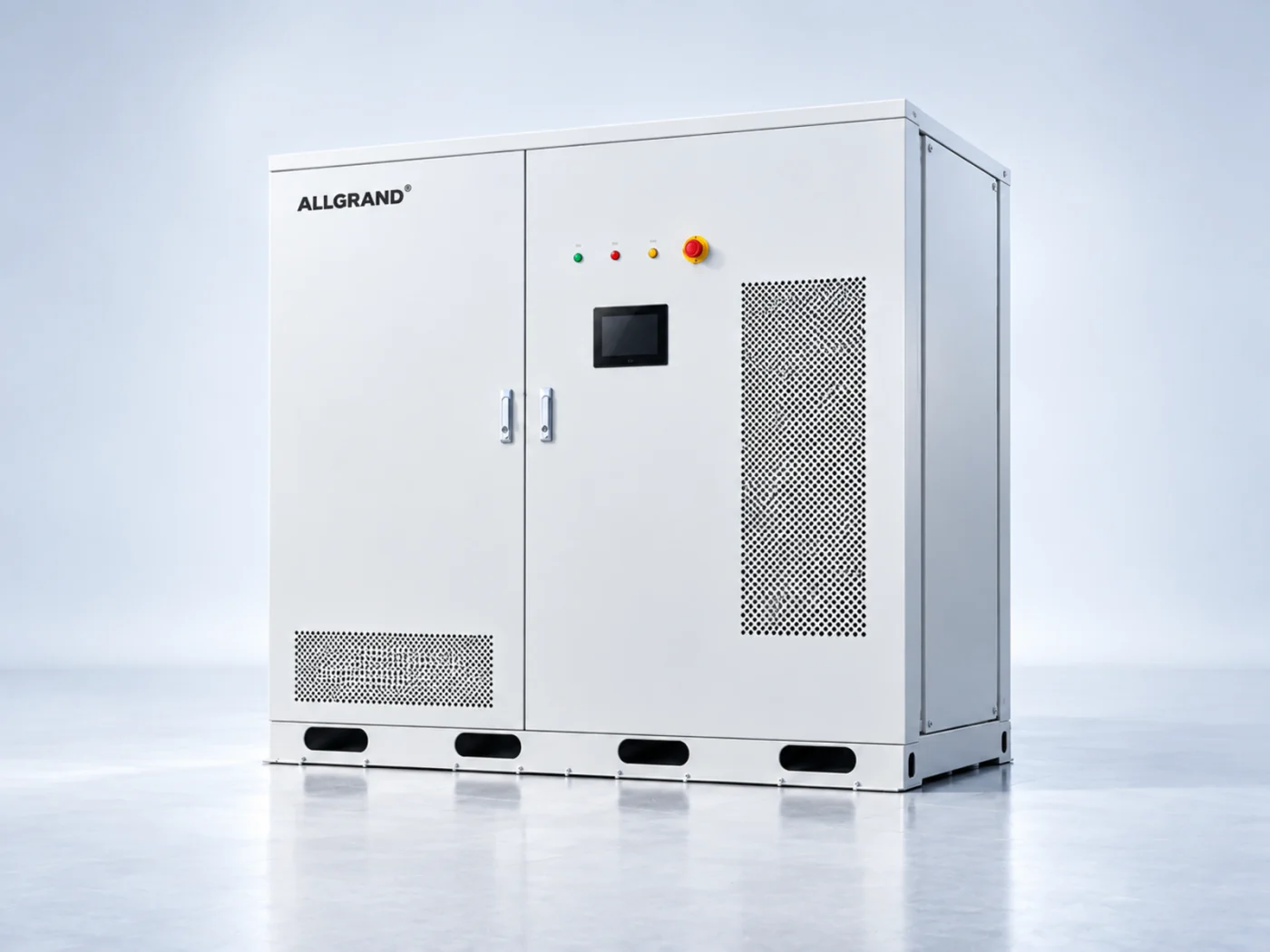
Direct answer: A liquid-cooled BESS coolant leak shows up first as a thermal event: rising cell or module temperatures, a low-pressure or low-level alarm, reduced cooling performance or visible wetting near the cooling loop. The correct first step is to confirm the leak safely, isolate the affected loop according to the equipment procedure, and contact the original equipment manufacturer before refilling. Do not keep operating a system with a suspected leak, because cooling loss can push the battery outside its safe temperature window.
Liquid cooling is common in outdoor energy storage cabinets because it removes heat efficiently and keeps cell temperatures uniform. That same plumbing is also a failure point. A leak may begin as a slow weep that appears in the temperature trend before anyone sees liquid, which is why operators should treat rising temperatures as a leak symptom until proven otherwise.
This guide describes symptoms and a safe response sequence. It is a planning reference; the actual pressures, valves, coolant type and shutdown steps must follow the equipment documentation and the supplier’s procedure for the installed system.
Why a coolant leak is a thermal event first
Coolant carries heat away from the cells and power electronics. When coolant is lost, the first measurable effect is usually a temperature rise in the modules or a wider spread between cells, because the remaining coolant can no longer absorb the same heat. These signals can appear before a pressure or level sensor triggers an alarm.
Treat an unexplained temperature rise in a liquid-cooled system as a potential leak even when no liquid is visible. The trend over several hours or days is often more informative than a single reading: a slow, consistent climb that follows load suggests reduced cooling capacity rather than a sudden electrical fault.
Symptoms to recognize early
Common indicators of a coolant leak include a falling pressure reading, a low coolant-level alarm, a rising temperature trend, reduced temperature uniformity between modules, and visible coolant or staining near fittings, hoses or the pump. Some systems report a flow alarm when the pump draws air instead of liquid.
- A low-pressure or low-level alarm that clears and returns.
- A gradual rise in module temperature at a fixed load.
- A widening gap between the warmest and coolest cells.
- Wetting, droplets or residue near hose connections.
Any one of these signals is worth a check. Several together make a leak the leading explanation, and the system should not continue operating while the cause is unresolved.
Confirm before opening the enclosure
Before touching the cooling circuit, confirm the alarm history, the pressure and level readings, and the temperature trend. Check for visible leaks around fittings and hoses without removing guards. Record the readings and photographs so the supplier has the starting condition when the case is escalated.
Do not open the enclosure or loosen a fitting while the system is energized and the coolant is warm unless the procedure allows it. Coolant under pressure and warm surfaces both create hazards. The sequence is to make the system electrically safe first, then address the hydraulic side.
Isolation steps in sequence
Follow the equipment documentation, but a safe generic sequence is to stop the charging or discharging duty, shut down the affected module or loop under the approved procedure, allow the system to reach a safe temperature, and only then isolate and drain or refill the loop. The exact order depends on the system, so the supplier’s procedure takes precedence.
Make the system electrically safe
Stop the duty cycle and follow the shutdown sequence. Isolate the affected cabinet or module from charging and discharging before any work on the cooling circuit. Confirm the status on the control interface and lock out where the site procedure requires it.
Isolate the cooling loop
Once the system is safe, close the valves or disconnect the loop as the documentation directs, then inspect the fittings, hoses, pump and any joints. Record what is found. If the leak source is not obvious, the supplier may need the pressure and level history to locate it.
| Step | Action | Reason |
|---|---|---|
| 1 | Stop the duty and shut down per procedure | Removes electrical and thermal hazard |
| 2 | Record alarms, pressure, level and trend | Preserves evidence for diagnosis |
| 3 | Inspect fittings and hoses visually | Locates the source without disassembly |
| 4 | Isolate the loop and contain any spill | Prevents further coolant loss |
| 5 | Contact the OEM before refilling | Ensures correct fluid and procedure |
Refilling without finding and fixing the leak simply repeats the event, and using the wrong coolant can damage seals or reduce cooling performance. The supplier should confirm the fluid type and the refill procedure.
Pressure, level and temperature checks
After the immediate response, verify the pressure and level against the specified values and watch the temperature trend as the system returns to service. A system that holds pressure and shows a stable temperature spread has likely been restored. A system that loses pressure again needs the leak found before it returns to duty.
Keep the before-and-after readings in the maintenance record. The comparison is what shows whether the repair worked, and it gives the supplier a clean starting point if the leak recurs.
When to call the supplier instead of refilling
Escalate to the original equipment manufacturer when the leak source is not obvious, when the coolant type is not confirmed, when the system has tripped on temperature, or when the same loop loses pressure after a previous repair. A recurring leak usually indicates a failed fitting, a damaged hose or a pump seal, not a low fluid level.
For a system platform to plan against, review the 261 kWh liquid-cooled energy storage cabinet and the lithium energy storage product family. The installed system’s cooling documentation defines the exact valves, fluid and shutdown steps, so the supplier’s procedure is the controlling reference.
Frequently asked questions
Can I keep running a liquid-cooled BESS with a small leak?
It is not advisable. Even a slow leak reduces cooling capacity over time, and the system can drift outside its safe temperature window. Stop the duty, isolate the loop and resolve the leak before returning to service.
What is the first symptom of a coolant leak?
Usually a rising temperature trend or a widening temperature spread between modules, often before a pressure or level alarm appears. Low-pressure and low-level alarms, flow alarms and visible wetting are later or additional indicators.
Should I refill the coolant myself?
Only with the supplier’s confirmed fluid type and procedure. Using the wrong coolant can damage seals and reduce cooling, and refilling without fixing the leak simply repeats the event. Contact the equipment manufacturer first.
Why does temperature rise before the level alarm triggers?
Because the remaining coolant can still absorb some heat for a while. The temperature trend shows the reduced cooling capacity before the fluid level drops far enough to trip the level or flow sensor.
What to send for a technical review
Share the alarm history, pressure and level readings, temperature trend, photographs and the installed system’s model with the AllGrand engineering team. The team can review the leak evidence and the correct isolation and refill procedure.
Read more energy storage engineering guides from AllGrand. AllGrand Group has manufactured batteries since 1987 and supplies energy storage systems, lead-acid batteries and battery cells to customers in more than 100 countries. Service procedures must be confirmed for the actual product and configuration.
Sources and further reading
- Sandia National Laboratories — Energy Storage
- UL Solutions — Energy Storage
- NFPA 855 — Energy Storage System Safety
These sources were used to verify general energy-storage safety concepts. The symptom list, isolation sequence and response checklist are original AllGrand editorial work.