
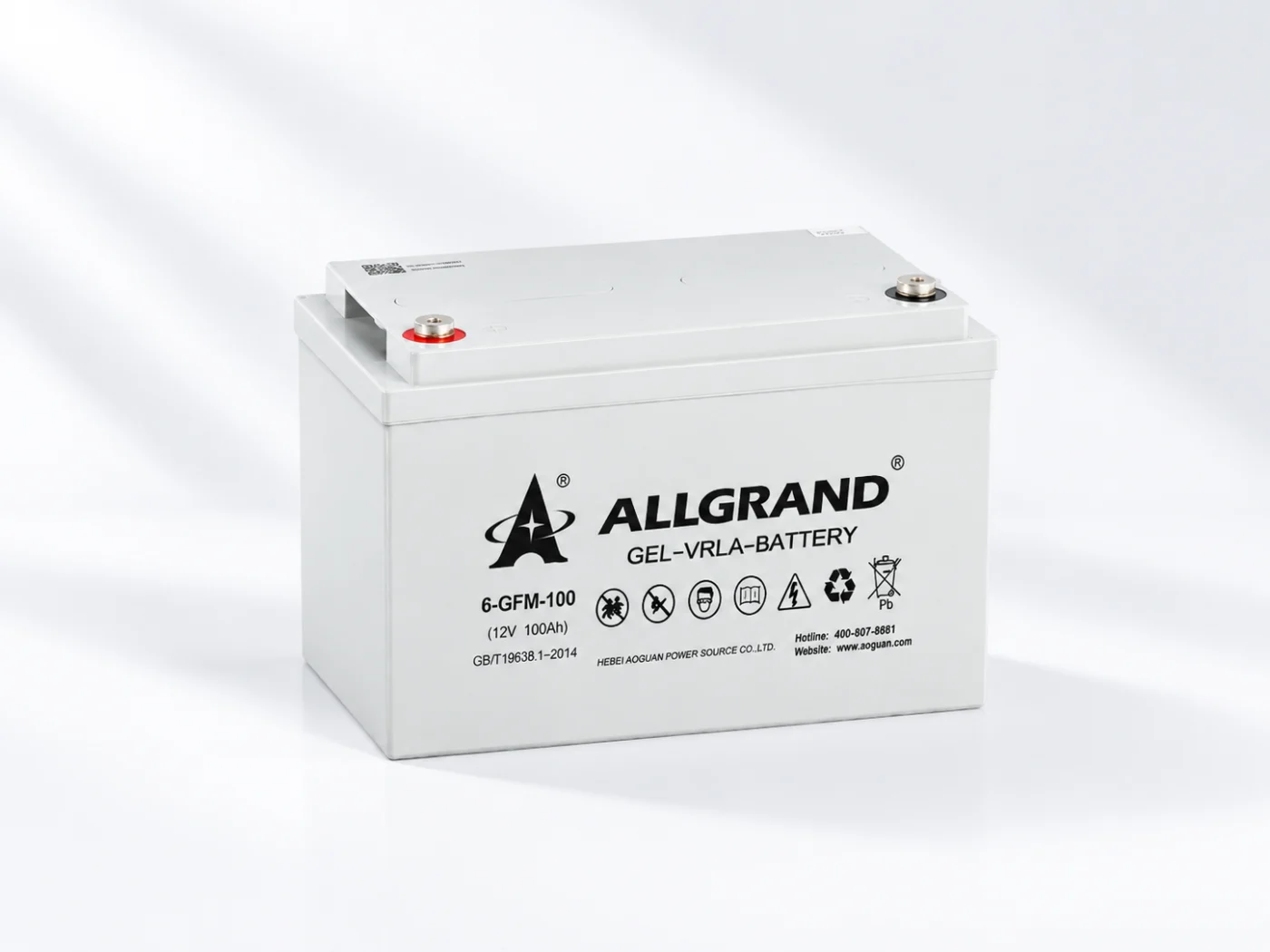
Direct answer: A battery bank voltage imbalance usually points to connections, charging or load distribution before it points to a failed cell. Measure each cell or block under load and at rest, check terminal torque and inter-cell links, verify the charge voltage reaches every string equally, and review how the load cables share current. Only after those checks are cleared should a cell be suspected.
Voltage imbalance means the cells or blocks in a series string, or the parallel strings in a bank, settle at different voltages. Some spread is normal because every cell has a tolerance, but a growing or load-dependent spread is a warning sign.
This guide gives a safe diagnostic order for stationary lead-acid banks and similar battery banks. It is a maintenance reference; all measurements must follow the site electrical safety procedure and the manufacturer’s limits.
Measure before you adjust
Start with a controlled measurement rather than a conclusion. Record each cell or block voltage at rest, then again under the normal discharge load, and note which readings move. A spread that appears only under load points to resistance in the current path, while a spread that persists at rest points to state of charge or cell condition.
Use the same meter, the same probe points and a repeatable sequence so the readings can be compared across visits. A changing measurement method creates a false trend that looks like a battery problem.
Record temperature too, because a warm cell reads a slightly different voltage than a cold one under the same conditions. The first goal is to separate real imbalance from measurement noise and temperature effects.
Check terminal and inter-cell connections
High resistance at a terminal, inter-cell link or busbar joint drops voltage locally and makes one cell look weak. Look for discoloration, corrosion, loose hardware or hot spots, and check torque only with the system de-energized under the lockout procedure.
A loose or corroded connection raises resistance in series with the cell, so under load that cell shows a lower voltage than its neighbors even though the cell itself is healthy. Cleaning and re-torquing to the manufacturer’s specified value often removes the imbalance.
Keep a torque record for each joint. A connection that repeatedly loosens is a mechanical problem to investigate, not just a maintenance nuisance.
Review string and parallel path balance
In a bank with parallel strings, the strings must share both charge and discharge current. Unequal cable lengths, different connection resistance or a single degraded string forces one path to carry more current, which deepens its discharge and shows up as a lower voltage.
Measure the current in each parallel string during discharge if the site has the test equipment and the procedure allows it. A string carrying noticeably more current than its neighbors is doing more work, and the fix is in the cabling or connections rather than the cells.
Confirm the charge and discharge cables land on the same points so every string sees the same path. A bank that charges through one path and discharges through another can appear balanced at rest and imbalanced under load.
Look at charging and sulfation
Charging voltage has to reach every cell. If the charger’s voltage sense point is poorly placed, or the cable drops are uneven, the cells at the end of the string receive less charge and drift downward over time. An undercharged cell also sulfates, which raises its internal resistance and makes the drift worse.
Verify the charge voltage at the battery terminals, not only at the charger, and compare the end-cell voltage with the string average during float and equalization. A persistent low end-cell is often a charging-path issue before it is a cell failure.
Review the charge settings against the battery type and temperature compensation. A bank that never completes absorption or equalization will gradually spread, and no cell replacement will fix that permanently.
Check load distribution and cabling
The way the load connects to the bank changes how current divides. Center-tapped or diagonally connected banks can share current unevenly, so the cells nearest the load cable work harder and age faster.
Review the load cable routing and connection points against the manufacturer’s recommended layout. Even cable lengths, matched torque and clean terminations help the strings share current, which keeps the voltages closer together.
If the site recently changed the load or added equipment, compare the new current paths with the original design. A modification that bypasses the intended connection point can create an imbalance that appears suddenly.
| Step | Check | Likely cause if found |
|---|---|---|
| 1 | Measure at rest and under load | Resistance vs state of charge |
| 2 | Inspect and torque connections | Loose or corroded joint |
| 3 | Compare parallel string current | Unequal current sharing |
| 4 | Verify charge voltage at terminals | Undercharge or sulfation |
| 5 | Review load cable routing | Uneven discharge path |
Work through the table in order and record the evidence at each step. Only when the connections, charging and current paths are all confirmed healthy should a cell or block be considered for replacement.
Escalate to a cell test last
Only after the connection, charging and current-sharing checks are cleared should a cell be suspected. At that point, isolate the suspect cell or block under the site procedure and run a controlled capacity or impedance test against the manufacturer’s reference. Compare the result with its neighbors and with its own history rather than a single pass or fail number.
A cell that has drifted low because it was undercharged will often recover after a correct equalization charge, while a cell with high internal resistance or low capacity will not. Distinguishing those two outcomes is what the controlled test is for, and it prevents replacing healthy cells.
Frequently asked questions
How much voltage spread is normal in a battery bank?
A small spread is normal because cells have tolerances and temperature differences. The concern is a growing spread, a spread that appears only under load, or a string that keeps drifting downward.
Can a loose connection cause a voltage imbalance?
Yes. A loose or corroded connection adds resistance in series with a cell, so that cell reads low under load even when the cell is healthy. Cleaning and re-torquing often removes the imbalance.
Why do parallel strings show different voltages?
Unequal cable lengths or connection resistance force one string to carry more current, which deepens its discharge. The fix is usually in the cabling or connections rather than the cells.
When should I suspect a failed cell?
Only after connections, charging and current sharing are confirmed healthy and one cell still reads low under repeatable measurement conditions. Then isolate and test it under the manufacturer’s procedure.
What to send for a technical review
Share the bank configuration, the cell or block voltage readings, the charge settings and the load current paths with the AllGrand engineering team. The team can review the lead-acid battery range against your operating conditions. Read more battery maintenance guides. AllGrand Group has manufactured batteries since 1987 and supplies batteries to customers in more than 100 countries. Maintenance steps must be confirmed for the installed product.
Sources and further reading
These sources were used to verify general battery bank and energy storage concepts. The diagnostic order and checklist are original AllGrand editorial work.