INDUSTRIAL BASE
TECHNICAL TEAM



















Allgrand’s Mass Production of Sodium-ion Batteries Demonstrates Vision for the Times
TIME:2026-01-17 SPIRCE:ALLGRAND

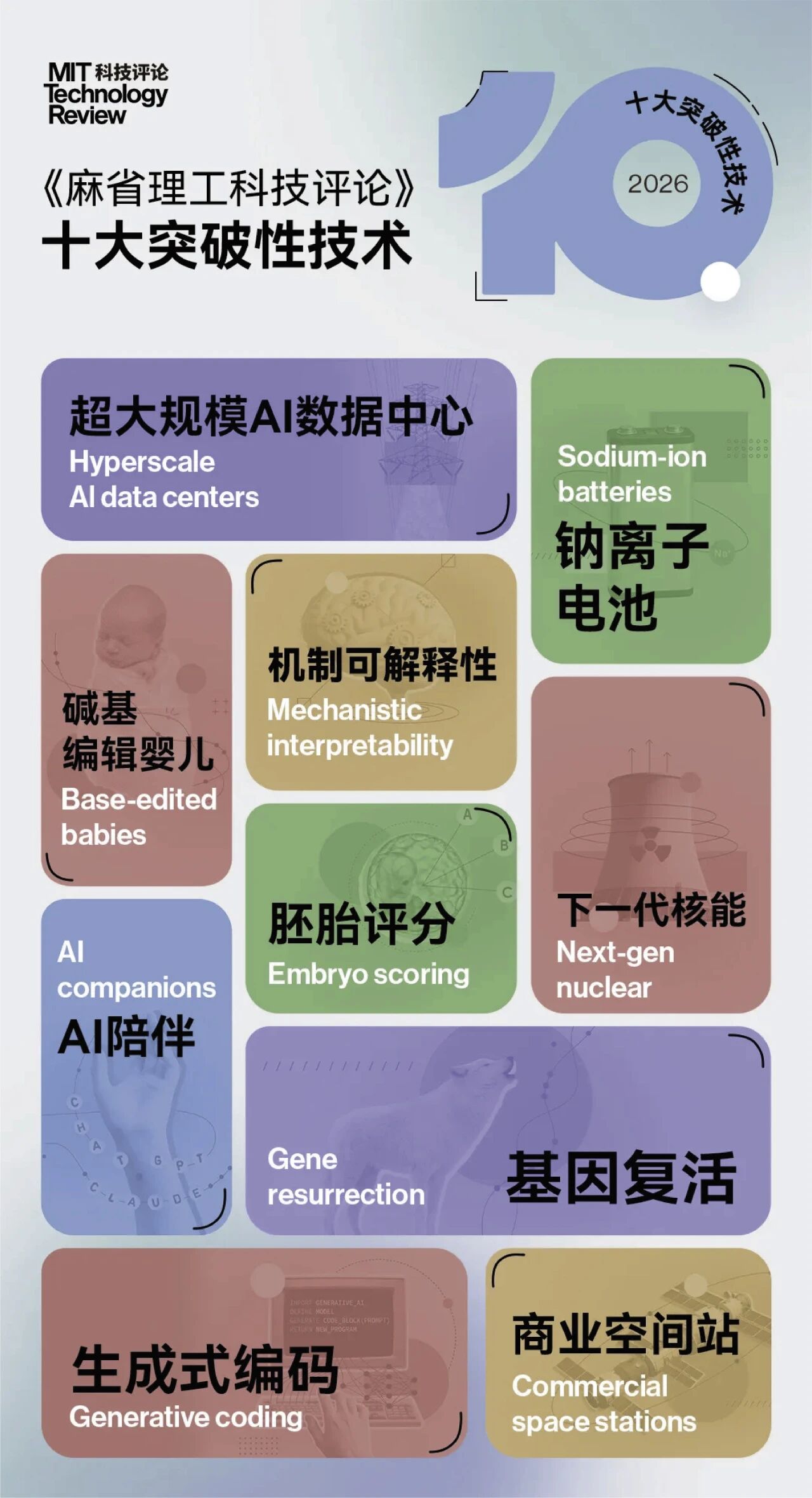
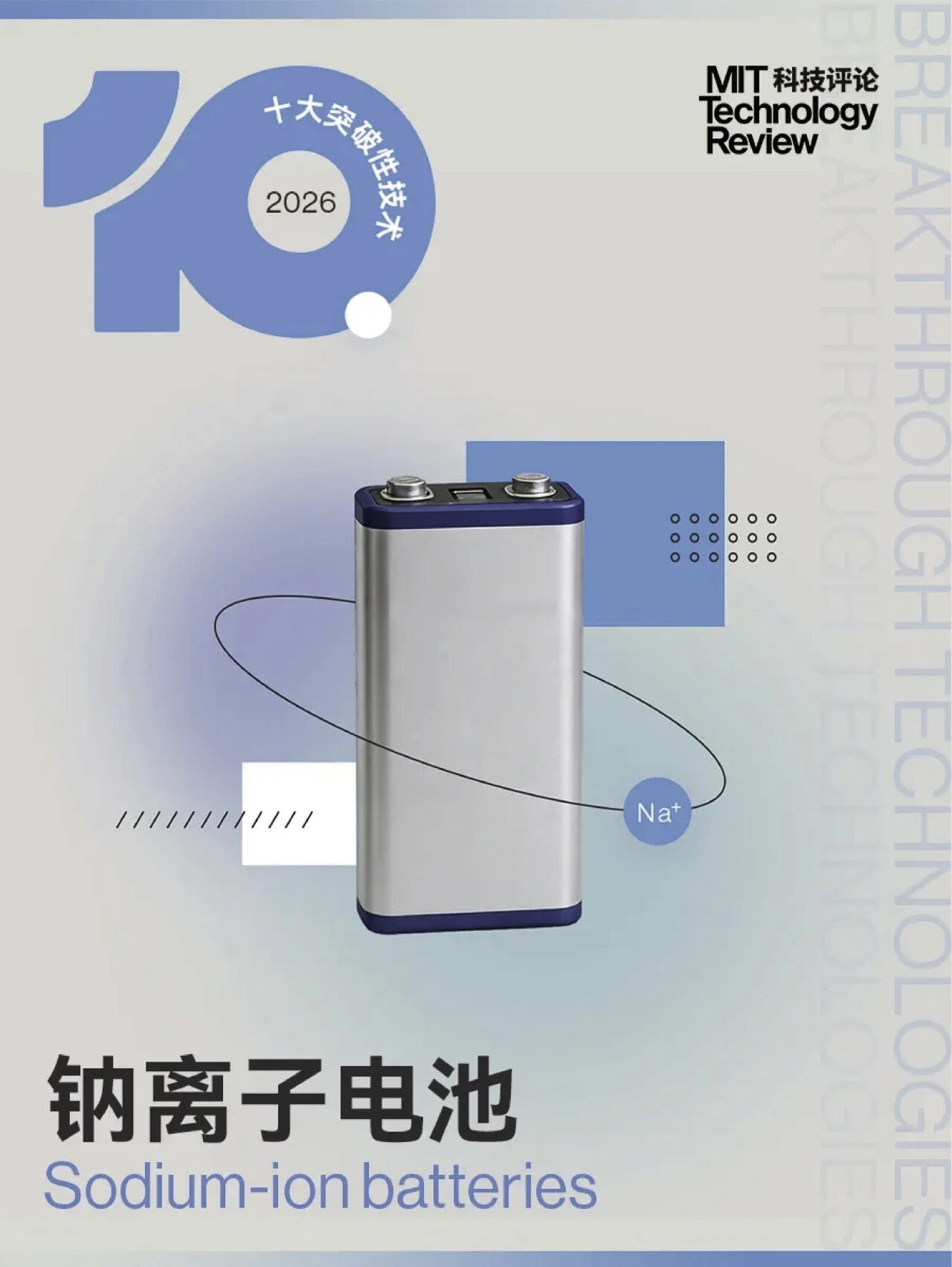
On January 12, 2026, the globally influential technology think tank MIT Technology Review released its prestigious 2026 “10 Breakthrough Technologies” list. Sodium-ion battery technology secured a spot on the list thanks to its disruptive potential in the energy sector.The report highlights that sodium-ion batteries serve as a viable alternative to lithium-ion batteries, offering key advantages such as lower cost, higher safety, and more abundant resources. They are increasingly being adopted in electric vehicles and grid energy storage, with the potential to alleviate resource constraints in the global energy transition.
The report points out that amid the global wave of energy transition, lithium-ion batteries have long played a central role, driving the popularization of electric vehicles and the storage of renewable energy. However, as demand for electric vehicles and energy storage grows explosively, constraints on lithium resources—including limited reserves, concentrated geographical distribution, and sharp price fluctuations—have become increasingly prominent, forcing the industry chain to seek broader and more resilient alternatives. Against this backdrop, technological and industrial attention is gradually shifting toward a highly abundant and low-cost element: sodium. It is widely regarded as a key breakthrough that could help ease energy anxiety.
Sodium-ion batteries operate on a similar principle to lithium-ion batteries, relying on the movement of ions between electrodes to store and release energy. However, compared with lithium resources, sodium offers distinct advantages: it is not only cheaper but also widely distributed in the Earth’s crust and oceans, ensuring more stable resource access. Although sodium-ion batteries have not yet fully demonstrated cost competitiveness, their economic viability is expected to improve rapidly as production scales up and technology continues to advance.
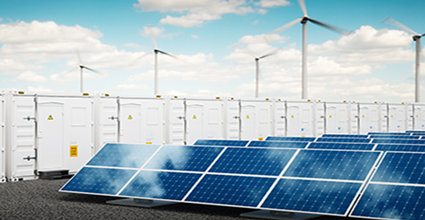
The more profound impact of sodium-ion technology may lie in the field of grid energy storage. The intermittent nature of renewable energy continues to pose challenges for electricity storage, and sodium-ion batteries—with their lower cost, higher thermal stability, and longer cycle life—have emerged as an increasingly attractive solution.
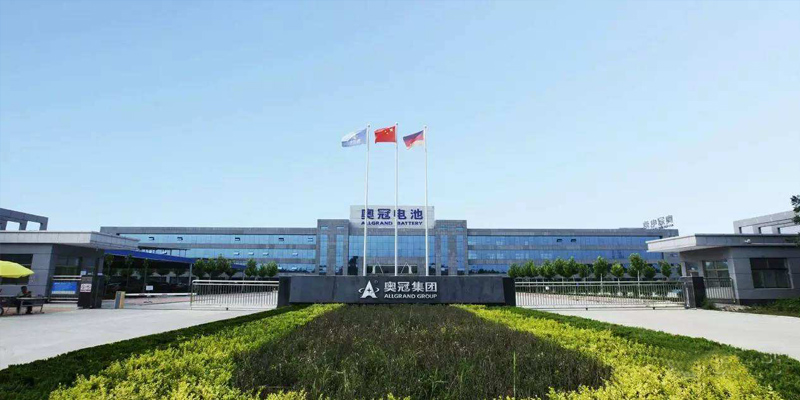
China has taken an early lead in the sodium‑ion battery sector. Amid this technological wave, Allgrand Sodium Battery has kept pace with the times and stood out through forward‑looking layout and technological breakthroughs. At the end of 2024, the company officially put into operation China’s first production line for sodium polyanion 54173204 batteries (100Ah). It also has production capacity for cylindrical sodium‑ion cells (33140, 40160) and prismatic sodium‑ion cells (71173204). Allgrand's sodium‑ion battery products have been successfully applied in a wide range of areas, including start‑stop systems, small‑power applications, backup power supplies, and energy storage systems, providing reliable solutions for the energy transition. Thanks to its outstanding technological innovation capabilities and product performance, Allgrand Sodium Battery has received honors such as the China Sodium‑ion Battery Industry Annual Innovative Product and China Sodium‑ion Battery Industry Annual Brand Enterprise. It has also passed Hebei Provincial Scientific and Technological Achievement Certification and won awards including the Most Investment‑Worthy Award and the Luban Award for Innovation and Invention in the sodium‑ion battery industry, demonstrating its dual leadership in both technological R&D and market applications. The application of Allgrand's sodium‑ion battery products in household energy storage, small‑scale storage, commercial and industrial storage, and large‑scale grid storage is highly aligned with the application directions for sodium‑ion batteries envisioned by MIT Technology Review, confirming the foresight of Allgrand's technology roadmap.
Currently, the global sodium‑ion battery industry is in a period of accelerated development. MIT Technology Review predicts that the next 3–5 years will be a critical window for the technological maturation and market breakout of sodium‑ion batteries. Against this backdrop, Allgrand will continue to increase its R&D investment in sodium‑ion batteries and expand production capacity, driving China's energy structure toward a more sustainable and resilient future.